
Texan Eye — LASIK
Life Without
Glasses Starts Here.
Our LASIK surgeons use the most advanced laser technology available to customize every procedure, giving you sharper vision, better night vision, and lasting results.
- Custom wavefront-guided treatment with iDesign technology
- Quick procedure — typically less than 30 minutes total
- Most patients see clearly the day after surgery
Is This Right for You?
Am I a Candidate for LASIK?
Most people develop cataracts with age. If any of the following sound familiar, it may be time for an evaluation.
Not everyone qualifies for LASIK – and that’s okay. Factors like corneal thickness, prescription range, dry eye history, and pregnancy can affect candidacy. If LASIK isn’t the right fit, our surgeons will discuss alternatives including ASA, EVO ICL, or Refractive Lens Exchange. A free screening at our Austin or Cedar Park offices is the first step.
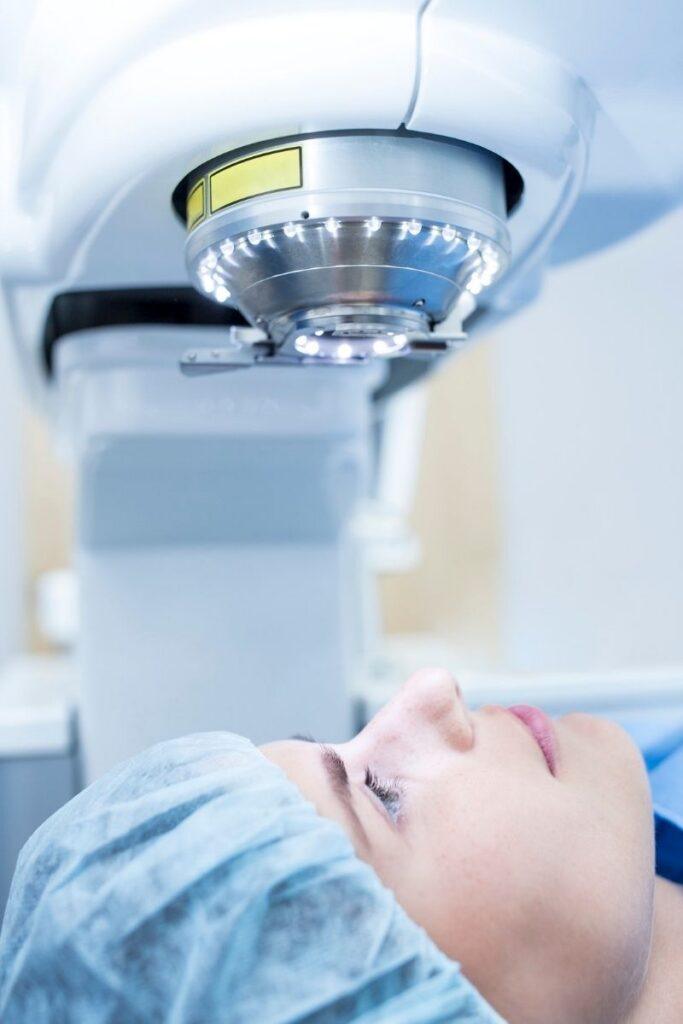
The Procedure
What Is LASIK?
LASIK (Laser-Assisted In Situ Keratomileusis) is a vision correction procedure that permanently reshapes the cornea using a laser. By correcting the refractive errors that cause nearsightedness, farsightedness, and astigmatism, LASIK reduces or eliminates the need for glasses or contacts.
At Texan Eye, our LASIK surgeons use the iFS IntraLase femtosecond laser to create a precise corneal flap, and the VISX Star 4 with iDesign to deliver a custom wavefront-guided treatment. This combination measures the unique imperfections in your eye and corrects them with a level of precision that standard LASIK cannot match.
The procedure is performed while you are awake and comfortable, takes less than 30 minutes total, and requires no stitches. The flap heals naturally. Consultations are available at all four locations; procedures are performed at our dedicated Eye LASIK Austin facility.
What Happens During LASIK?
During LASIK, your LASIK surgeon will use a laser to reshape your cornea. This process can correct imperfections that cause refractive errors like nearsightedness, farsightedness, or astigmatism.
The procedure is quick, typically taking less than thirty minutes, and performed while you are awake and comfortable.
LASIK Technology at Texan Eye
At Texan Eye, our LASIK surgeons use the most advanced LASIK technology available to ensure the best possible outcomes for our patients. Our LASIK surgeons use the iFS IntraLase and the VISX Star 4 with iDesign, which allows for a highly customizable procedure that is tailored to your individual needs.
iFS IntraLase
The iFS IntraLase is a femtosecond laser that creates the corneal flap during LASIK. This technology allows for a more precise and consistent flap creation compared to other methods, leading to better results and faster recovery times.
VISX Star 4 with iDesign
The VISX Star 4 with iDesign is an excimer laser that is used to reshape the cornea during LASIK. This technology uses advanced wavefront mapping to measure the unique imperfections in your eyes, allowing your LASIK surgeon to customize the treatment for your specific needs.
The result is sharper vision, better night vision, and fewer side effects like halos and glare.
What Are the Benefits of LASIK?
LASIK offers numerous benefits, including:
- Clearer vision with reduced dependence on glasses and contact lenses
- Quick recovery time, with most patients returning to many of their normal activities within a few days
- Long-lasting results, with many patients maintaining their improved vision for years after the procedure
- Customizable treatment that is tailored to your unique eye measurements and visual needs
It’s important to note that although LASIK can drastically improve your vision, it will not prevent other eye conditions that may affect your vision from developing later in life. If you are looking for a way to gain greater visual freedom, talk to your eye doctor at Texan Eye about the many benefits of LASIK.
What is Recovery Like After LASIK?
Recovery after LASIK is typically quick and comfortable. You may experience some mild discomfort, like itching or burning, in the first few hours after surgery, but this can be managed with over-the-counter pain medication and artificial tears.
Your Austin, Texas, LASIK surgeon will provide you with a list of instructions to follow during your recovery. It is very important to follow these instructions closely to avoid any complications and to help your eyes heal smoothly.
You will also need to return to your eye doctor’s office for a few follow-up visits within the weeks and months after your LASIK surgery so that they can ensure that your vision is clear and that your eyes are healing properly.
Tips for a Smooth LASIK Recovery
Follow your surgeon’s post-operative instructions, including using any prescribed eye drops or medications.
- Avoid rubbing or touching your eyes in the days following the procedure.
- Wear sunglasses when outside to protect your eyes from UV rays and dust.
- Attend all scheduled follow-up appointments with your surgeon to ensure proper healing.
What Are the Alternatives to LASIK?
While LASIK is a popular and effective vision correction option, it may not be the best choice for everyone. At Texan Eye, we offer several alternatives to LASIK, including:
- ASA (Advanced Surface Ablation): A laser vision correction procedure that is similar to LASIK but does not involve the creation of a corneal flap.
- EVO Visian ICL: A removable lens implant that is placed inside the eye to correct vision without removing any corneal tissue.
- RLE (Refractive Lens Exchange): A procedure that replaces your natural lens with an artificial lens to correct vision, similar to cataract surgery.
Your Texan Eye eye surgeon will help you determine the best option for your individual needs and goals.
How Much Does LASIK Cost?
The cost of LASIK can vary depending on several factors, including the technology used, the experience of your surgeon, and your specific vision correction needs. At Texan Eye, we offer competitive pricing and financing options to make LASIK accessible and affordable for our patients.
Although most insurance companies do not cover laser eye surgery, some companies cover a portion of the total cost of refractive surgery. It’s best to check with your company to see if you qualify for coverage.
At Texan Eye, we offer competitive pricing and financing options to make LASIK accessible and affordable for our patients. Financing is available through CareCredit Health Finance and Chase Health Advance Financing.
To get a personalized quote and learn more about our financing options, schedule a consultation with one of our LASIK surgeons.
LASIK Consultations at Texan Eye
At Texan Eye, LASIK consultations are offered at all our locations, but the procedures are performed at our dedicated Eye LASIK Austin facility. Our LASIK surgeons, Dr. Walters, Dr. Aschenbeck, and Dr. Zhu, are highly experienced and use the latest technology to deliver exceptional results.
If you’re ready to take the first step towards clearer vision with LASIK, schedule an appointment at Texan Eye in Austin, TX, today to schedule your free screening or consultation. Our friendly staff will be happy to answer any questions you may have and help you determine if LASIK is right for you.
Patient Reviews
Your Options
LASIK vs. ASA: Which Is Right for You?
Texan Eye offers both LASIK and ASA (Advanced Surface Ablation). Both use the same laser to correct vision, the difference is in how the cornea is accessed. Our surgeons will recommend the best fit at your screening.
LASIK
Flap-based laser correction, fastest recovery
- A thin corneal flap is created with the iFS IntraLase femtosecond laser
- The VISX Star 4 with iDesign reshapes the inner cornea
- Flap is repositioned and heals naturally — no stitches
- Most patients return to normal activities within 1–2 days
- Suitable for patients with adequate corneal thickness
- Not recommended for very thin corneas or certain corneal irregularities
Most Common Option
ASA (Advanced Surface Ablation)
No-flap laser correction, broader candidacy
- No corneal flap — the outer epithelial layer is gently removed instead
- The same VISX Star 4 with iDesign laser is used to reshape the cornea
- A strong option for patients with thinner corneas or dry eye concerns
- No risk of flap-related complications
- Visual outcomes equivalent to LASIK in suitable patients
- Recovery takes longer, full clarity in 5–7 days vs. 1–2 for LASIK
Recommended for Select Patients
Your surgeon will determine which procedure is best for your corneal anatomy, prescription, and lifestyle, not every patient is a better fit for one or the other based on cost.
Step by Step
Your LASIK Journey
From your free screening to clear vision, here's what to expect at every stage.
1
Free Screening
- Available at Austin Main Central & Main South
- Eye exam and corneal mapping
- Prescription stability confirmed
- Candidacy for LASIK or ASA determined
- Alternative options discussed if needed
2
Refractive Consultation
- Full refractive surgery consultation
- Advanced wavefront measurements taken
- Surgeon reviews your iDesign map
- Procedure, technology, and pricing explained
- Surgery date scheduled
3
Procedure Day
- Performed at Eye LASIK Austin facility
- Numbing drops applied — no injections
- iFS IntraLase creates the corneal flap
- VISX Star 4 with iDesign reshapes cornea
- Flap repositioned — both eyes same day
4
Recovery
- Most patients see clearly within 24 hours
- Mild itching or burning normal in first hours
- Prescription drops used for several weeks
- Avoid rubbing eyes, swimming for one week
- Follow-up visits at 1 day, 1 week, 1 month
What to Expect
Expected LASIK Outcomes & Recovery
LASIK has one of the highest satisfaction rates of any elective surgical procedure. Here's what the data, and our patients, consistently report.
What Patients Can Expect in the First 30 Days
- Mild itching, burning, or light sensitivity in the first few hours — normal
- Vision may fluctuate slightly in the first week before stabilizing
- Follow-up appointments at 1 day, 1 week, and 1 month post-procedure
- Prescription eye drops used several times daily for 3–4 weeks
- Sunglasses outdoors to protect from UV rays and dust
- Avoid swimming, hot tubs, and contact sports for one week
Informed Care
Safety & Risk Considerations
LASIK is one of the most studied elective procedures in medicine, with decades of safety data. Serious complications are rare when candidacy is evaluated thoroughly. Possible side effects will be discussed with you by your surgical team before your procedure.
How We Minimize Risk
iFS IntraLase Laser
Bladeless flap creation with the femtosecond laser delivers a more precise, reproducible result than mechanical microkeratomes.
iDesign Wavefront Mapping
Custom wavefront-guided treatment corrects higher-order aberrations unique to each eye — resulting in sharper vision and fewer night-vision side effects.
Thorough Candidacy Screening
We turn away patients who aren't good LASIK candidates and recommend alternatives — protecting long-term outcomes over short-term revenue.
Why Texan Eye
LASIK in Austin: Why Choose Us
There are many practices offering LASIK in Central Texas. Here's what sets the experience at Texan Eye apart.
30+ Years of LASIK in Austin
Our LASIK surgeons — Dr. Walters, Dr. Aschenbeck, and Dr. Zhu — have performed refractive procedures in Central Texas for decades. Experience at this level is difficult to find at a single practice.
The Most Advanced Technology Available
We use the iFS IntraLase for bladeless flap creation and the VISX Star 4 with iDesign for wavefront-guided correction, the same platform used by leading refractive surgery centers worldwide.
Honest Candidacy Evaluation
If LASIK isn't right for your eyes, we'll tell you and explain why. Alternatives like ASA, EVO ICL, and RLE are evaluated at the same consultation. Your outcome matters more than the procedure chosen.
Our Team
Meet Our LASIK Surgeons
Dr. Tom Walters, Dr. Kyla Aschenbeck, and Dr. Luke Zhu perform LASIK and ASA at our Eye LASIK Austin facility.



Find Us
LASIK in Austin & Cedar Park
Consultations at all four convenient locations in Central Texas.
Common Questions
Frequently Asked Questions
Questions we hear at nearly every LASIK consultation — answered directly.
Am I a good candidate for LASIK?
The best way to know is a free screening at our Austin offices. In general, good candidates are over 18, have had a stable prescription for at least a year, have adequate corneal thickness, and have healthy eyes without significant corneal or retinal conditions. Pregnancy, certain medications, and severe dry eye can also affect candidacy. If LASIK isn’t the right fit, we’ll discuss alternatives at the same visit.
Is LASIK painful?
No. Numbing drops are applied before the procedure, and most patients feel only mild pressure, which means, not pain. Some patients experience mild itching, burning, or light sensitivity in the first few hours after surgery, which typically resolves quickly. Most patients are comfortable and see clearly by the next morning.
How long does LASIK take?
The laser treatment itself takes only seconds per eye. The full procedure, including prep and recovery, is typically complete in under 30 minutes. Both eyes are usually treated the same day. You’ll need a driver, as you won’t be able to drive immediately after the procedure.
What is the difference between LASIK and ASA?
Both use the same excimer laser to reshape the cornea. The difference is in how access is created: LASIK involves creating a thin corneal flap using the iFS IntraLase laser, while ASA removes the outer epithelial layer without a flap. ASA is recommended for patients with thinner corneas or other factors that make LASIK inadvisable. Recovery from ASA takes slightly longer, most patients see clearly within 5–7 days versus 1–2 for LASIK.
How long do LASIK results last?
For most patients, LASIK results are permanent. The corneal reshaping done during the procedure does not reverse. However, your eyes can continue to change with age — particularly presbyopia in your 40s and 50s, which affects near vision. Some patients choose a minor enhancement procedure years later if their distance vision shifts. Reading glasses may still be needed for close work as you get older, regardless of LASIK.
What is wavefront-guided LASIK?
Wavefront-guided LASIK uses a detailed map of the unique optical imperfections in your eye, called higher-order aberrations, to customize the laser treatment. At Texan Eye, we use the iDesign system to create this map. The result is a more precise correction than standard LASIK, with better outcomes for night vision and overall optical quality. Most patients who receive wavefront-guided LASIK report sharper, clearer vision than they had even with glasses or contacts.
What is the recovery time after LASIK?
Most LASIK patients see clearly within 24 hours and return to normal activities within 1–2 days. You should avoid rubbing your eyes, swimming, and strenuous activity for one week. Prescription eye drops are used several times daily for 3–4 weeks. Follow-up visits are scheduled at 1 day, 1 week, and 1 month post-procedure.
Does insurance cover LASIK?
Most standard medical and vision insurance plans do not cover LASIK, as it is considered elective. Some plans offer a partial benefit or discount, worth checking before your consultation. HSA and FSA funds can typically be applied toward the procedure. Texan Eye offers flexible financing through CareCredit and Alphaeon Credit for patients who want to spread the cost over time.
Ready When You Are
Schedule Your Free Consultation
Most patients see results within 24 hours. Consultations are available at all four locations, online scheduling takes less than two minutes.