
Texan Eye — Oculoplastics Surgery
Care for the Eyes
You Show the World.
Oculoplastic surgery addresses the eyelids, eyebrows, tear ducts, and orbital area — restoring vision, function, and appearance through procedures performed by board-certified ophthalmologists trained in reconstructive surgery.
- Surgical and nonsurgical options available
- Board-certified ophthalmologists trained in oculoplastic reconstruction
- BOTOX® Cosmetic for blepharospasm and cosmetic concerns
Is This Right for You?
Am I a Candidate for Oculoplastics Surgery?
Most people develop cataracts with age. If any of the following sound familiar, it may be time for an evaluation.
Why choose an ophthalmologist for eyelid and orbital surgery? The eye is a delicate structure. When choosing a surgeon for any procedure involving the eyelids, tear ducts, or orbital area, the training of your surgeon matters. Select Texan Eye physicians are board-certified ophthalmologists with specialized training in oculoplastic reconstructive surgery — combining surgical precision with deep expertise in ocular anatomy.

The Procedure
What Is Oculoplastics Surgery?
Oculoplastics is a subspecialty of ophthalmology focused on the surgical and nonsurgical treatment of the eyelids, eyebrows, tear ducts, and orbit — the bony socket surrounding the eye. Procedures range from cosmetic eyelid lifts to reconstructive surgery following trauma, cancer removal, or structural abnormalities.
At Texan Eye, we offer both functional and cosmetic oculoplastic care. Functional procedures restore vision and normal eyelid movement. Cosmetic procedures improve the appearance of the eyes and surrounding area. Many patients seek both outcomes from the same surgery — for example, an upper eyelid blepharoplasty that removes vision-obstructing skin while also rejuvenating the appearance of the eyes.
Our surgeons use the latest reconstructive surgery techniques and are trained to evaluate each patient’s anatomy, function, and goals before recommending a treatment plan.
2-in-1
Functional & Cosmetic Outcomes From One Procedure
15 min
Typical BOTOX® Cosmetic Treatment Time
4–6 mo
Duration of BOTOX® Cosmetic Results
Board
Certified Ophthalmologists With Oculoplastic Training
Patient Reviews
Your Options
Surgical & Nonsurgical Treatments
Texan Eye offers a range of oculoplastic procedures — from in-office nonsurgical treatments to full reconstructive surgery. Your doctor will recommend the appropriate approach at your consultation.
Surgical Oculoplastics
Structural correction for functional and cosmetic concerns
- Blepharoplasty (Eyelid Lift) — removes excess skin and fat from the upper or lower eyelids; corrects ptosis that obstructs vision and improves appearance
- Ptosis Repair — lifts a drooping upper eyelid to restore visual field and eye symmetry
- Orbital Fracture Repair — reconstructive surgery following trauma to the bony socket surrounding the eye
- Skin Cancer Reconstruction — removal of periocular skin cancers with precise reconstruction to preserve eyelid function and appearance
- Tear Duct Surgery — treatment of blocked or damaged tear ducts causing chronic tearing or infection
- Eyelid Malposition Correction — repair of entropion (inward-turning lid) or ectropion (outward-turning lid)
May be covered when medically necessary
Nonsurgical Options
In-office treatments with no recovery time
- BOTOX® Cosmetic — relaxes the facial muscles responsible for blepharospasm (uncontrolled eyelid spasms) and smooths wrinkles around the eyes and eyebrows
- Treatments take approximately 15 minutes and require no recovery time
- Results are immediate, with effects lasting 4 to 6 months
- Patients report both functional improvement (reduced spasms) and a more youthful, natural appearance
- Performed by physicians — not a spa or aesthetic center — with full knowledge of ocular anatomy
Elective — out of pocket
Coverage for oculoplastic procedures depends on whether the condition is medically necessary. Our team will help clarify your insurance situation before any procedure is scheduled.
Step by Step
Your Oculoplastics Surgery Journey
From your consultation to recovery — here's what the process looks like for both surgical and nonsurgical oculoplastic care.
1
Consultation
- Evaluation of eyelids, brow, tear ducts, and orbit
- Visual field testing if drooping lids are affecting vision
- Functional vs. cosmetic goals discussed
- Surgical or nonsurgical options recommended
- Insurance coverage reviewed when medically indicated
2
Treatment Plan
- Procedure selected based on anatomy and goals
- BOTOX® treatments scheduled for in-office visit
- Surgical procedures scheduled at the surgery center
- Pre-operative instructions provided
- Pricing and financing reviewed
3
Procedure
- BOTOX® Cosmetic: in-office, 15 minutes, no downtime
- Surgical: performed at our dedicated surgery center
- Local anesthesia for most eyelid procedures
- Outpatient — go home the same day
- No general anesthesia required for most cases
4
Recovery
- BOTOX®: immediate results, no recovery needed
- Blepharoplasty: mild swelling and bruising for 1–2 weeks
- Most patients return to normal activities within 7–14 days
- Follow-up visits included in your care plan
- Final results visible after swelling resolves
What to Expect
Expected Oculoplastics Surgery Outcomes & Recovery
Oculoplastic procedures can restore both vision and confidence — here's what patients typically experience.
What Patients Can Expect in the First 30 Days
- Mild swelling and bruising around the eyelids — normal and expected for 1–2 weeks
- Prescription eye drops or ointment used during the healing period
- Sunglasses recommended outdoors for the first several weeks
- Cool compresses and head elevation help manage swelling in the first 48 hours
- Avoid strenuous activity, heavy lifting, and bending for one week
- Follow-up appointments at 1 week and 4–6 weeks to monitor healing
Informed Care
Safety & Risk Considerations
Oculoplastic procedures performed by trained ophthalmologists carry a strong safety record. Understanding the risks helps you make an informed decision.
Safety Profile
- Blepharoplasty is one of the most commonly performed elective surgical procedures, with a long track record of safety and high patient satisfaction
- BOTOX® Cosmetic is FDA-approved for both cosmetic and medical (blepharospasm) applications and has been used safely for decades
- Procedures are performed by board-certified ophthalmologists with specialized oculoplastic training — not general plastic surgeons without eye-specific expertise
- Most eyelid procedures use local anesthesia only — no general anesthesia required, reducing overall risk
Possible Side Effects
- Temporary asymmetry or uneven results during the healing period — typically resolves as swelling subsides
- Mild dry eye symptoms following upper lid blepharoplasty — usually temporary and managed with drops
- BOTOX® may cause temporary mild bruising or headache at the injection site — resolves within days
- As with any surgery near the eye, infection and bleeding are possible but rare when proper pre- and post-operative protocols are followed
How We Minimize Risk
Ophthalmologist-Performed
Every oculoplastic procedure at Texan Eye is performed by a board-certified ophthalmologist — a surgeon with deep expertise in ocular anatomy and the specific risks of operating near the eye.
Conservative Surgical Philosophy
Our surgeons prioritize natural-looking results and functional outcomes over aggressive cosmetic changes. The goal is always to preserve and restore — not to over-correct.
Dedicated Surgery Center
Surgical procedures are performed at our Austin surgery center, staffed and equipped exclusively for ophthalmic procedures — not a general operating room.
Why Texan Eye
Oculoplastic Care in Austin & Cedar Park
When it comes to surgery near the eye, choosing the right specialist matters. Here's what sets oculoplastic care at Texan Eye apart.
Ophthalmologist-Level Expertise
Our oculoplastic procedures are performed by board-certified ophthalmologists with specialized reconstructive training — bringing eye-specific surgical expertise that general plastic surgeons do not have.
Functional and Cosmetic in One Visit
Many oculoplastic patients have both functional and cosmetic goals. Our surgeons address both in a single procedure — restoring vision and improving appearance at the same time.
Part of a Full Eye Care Practice
Texan Eye is a full-service ophthalmology practice. If your oculoplastic consultation reveals an unrelated eye condition — cataracts, glaucoma, dry eye — you won't need to go elsewhere for care.
Our Team
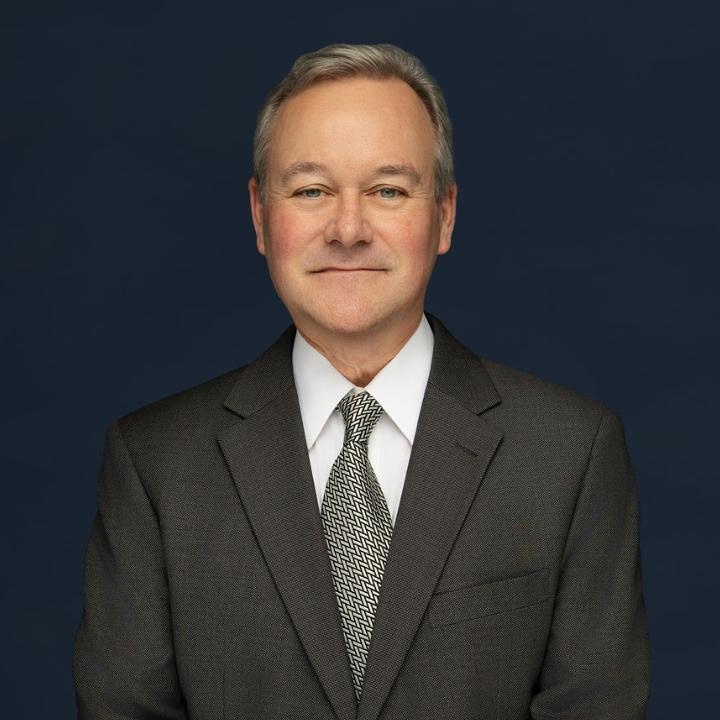
Meet Our Oculoplastic Surgeons
Board-certified ophthalmologists with specialized training in eyelid, orbital, and reconstructive oculoplastic surgery.

Find Us
Oculoplastics Surgery in Austin & Cedar Park
Consultations at all four locations. Surgery performed at our dedicated Central Surgery Office in Austin.
Coverage & Financing
Cost & Insurance
Coverage for oculoplastic procedures depends on whether the condition is medically necessary — many functional procedures are covered by insurance.
Insurance Coverage
Oculoplastic procedures that are medically necessary — such as blepharoplasty to correct vision-obstructing ptosis, orbital fracture repair, tear duct surgery, or reconstructive surgery following cancer removal — may be covered by Medicare and most insurance plans.
- Visual field testing confirms functional impairment for insurance purposes
- Purely cosmetic procedures are elective and not covered
- BOTOX® for blepharospasm (medical use) may be covered — cosmetic use is not
- Our team will help determine and document medical necessity before your procedure
Elective & Cosmetic Costs
Cosmetic oculoplastic procedures and BOTOX® Cosmetic are elective and are paid out of pocket. Pricing is discussed transparently at your consultation.
- Consultation fee applies — credited toward procedure cost if you proceed
- BOTOX® Cosmetic pricing based on units used — discussed at consultation
- Financing available through CareCredit and Alphaeon Credit
- HSA and FSA funds may be applicable for medically necessary procedures
Flexible financing available. We work with CareCredit and Alphaeon Credit to offer low- and no-interest payment plans for premium lens upgrades and elective procedures. Ask about your options at your consultation.
locationsCommon Questions
Frequently Asked Questions
Questions we hear most often about oculoplastic procedures at Texan Eye.
What is oculoplastic surgery?
Oculoplastics is a subspecialty of ophthalmology focused on the surgical and nonsurgical treatment of the eyelids, eyebrows, tear ducts, and orbital area surrounding the eye. Procedures range from cosmetic eyelid lifts to reconstructive surgery following trauma or cancer removal. All oculoplastic procedures at Texan Eye are performed by board-certified ophthalmologists with specialized reconstructive training.
What is blepharoplasty and do I need it?
Blepharoplasty removes excess skin, muscle, and sometimes fat from the upper or lower eyelids. Upper lid blepharoplasty is often performed for functional reasons — drooping skin can obstruct the visual field and cause fatigue. Lower lid blepharoplasty is typically cosmetic. If your upper eyelids are heavy, hooding your vision, or causing you to raise your eyebrows constantly to see clearly, you may be a good candidate. A consultation and visual field test will confirm whether your case is functional or purely cosmetic.
Why should I choose an ophthalmologist for eyelid surgery rather than a plastic surgeon?
Ophthalmologists specializing in oculoplastics bring expertise in ocular anatomy that general plastic surgeons do not have. Surgery near the eye requires precise knowledge of the eyelid’s relationship to the cornea, tear film, and visual axis. Board-certified ophthalmologists who have completed oculoplastic training are uniquely qualified to perform these procedures safely and restore both function and appearance.
What is BOTOX® Cosmetic used for at Texan Eye?
We use BOTOX® Cosmetic for two purposes: to treat blepharospasm (uncontrolled eyelid spasms) and for cosmetic rejuvenation of the area around the eyes and eyebrows. The injection relaxes the muscles responsible for the spasm or wrinkle, with results lasting 4 to 6 months. Treatments take approximately 15 minutes and require no recovery time.
How long does eyelid surgery recovery take?
Most patients experience mild swelling and bruising for one to two weeks following blepharoplasty. The majority return to normal daily activities within 7 to 14 days. Strenuous activity, heavy lifting, and bending should be avoided for one week. Final results become apparent once swelling has fully resolved, typically over four to six weeks.
Is eyelid surgery covered by insurance?
Upper lid blepharoplasty may be covered by Medicare and most insurance plans if drooping skin is documented to obstruct vision — typically confirmed by visual field testing. Purely cosmetic procedures, including lower lid blepharoplasty and cosmetic BOTOX®, are not covered. BOTOX® for blepharospasm (a medical condition) may be covered. Our team will help determine and document medical necessity at your consultation.
What other conditions does oculoplastic surgery treat?
Beyond blepharoplasty and BOTOX®, our oculoplastic surgeons treat ptosis, entropion and ectropion, blocked or infected tear ducts, orbital fractures and trauma, skin cancers around the eye requiring reconstruction, and facial spasms. If you have a condition involving the eyelids, eyebrows, tear system, or orbital area, a consultation at Texan Eye will determine whether a surgical or nonsurgical solution is available.
How often does BOTOX® Cosmetic need to be repeated?
BOTOX® Cosmetic results typically last 4 to 6 months, after which the muscles gradually regain their activity and retreatment may be desired. Many patients schedule treatments two to three times per year. With repeated treatments, some patients find results lasting slightly longer over time.
Ready When You Are
Schedule Your Free Consultation
Most patients see results within 24 hours. Consultations are available at all four locations, online scheduling takes less than two minutes.