
Texan Eye — Refractive Lens Exchange
See Everything.
No Glasses Required.
Refractive Lens Exchange replaces your natural lens with a Full Focus® premium IOL, correcting near, intermediate, and distance vision while permanently eliminating the possibility of cataracts.
- Same proven procedure as cataract surgery
- Full Focus® lenses for near, intermediate, and distance vision
- Once performed, you will never develop a cataract in that eye
Is This Right for You?
Am I a Candidate for Refractive Lens Exchange?
Most people develop cataracts with age. If any of the following sound familiar, it may be time for an evaluation.
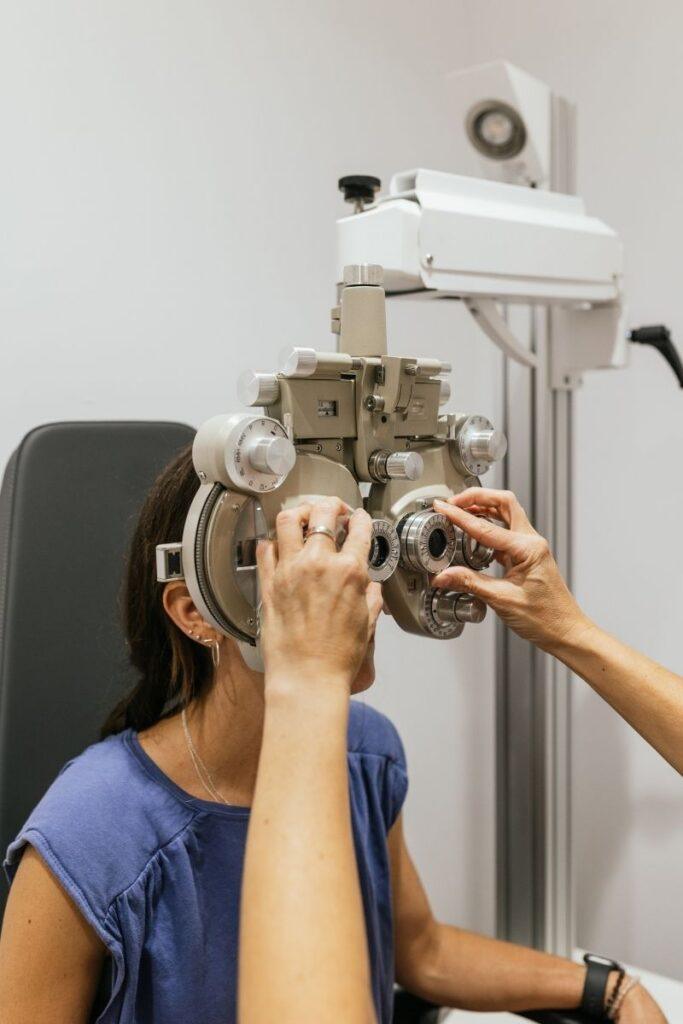
RLE is the same procedure as cataract surgery — performed on a patient who has not yet developed a cataract. The best way to confirm candidacy is a consultation at Texan Eye, where your ophthalmologist will evaluate your eye health, measure your eyes for the correct IOL power, and discuss which Full Focus® lens best matches your vision goals and lifestyle.
The Procedure
What Is Refractive Lens Exchange?
If you’re looking for a way to improve your visual freedom, Refractive Lens Exchange (RLE) may be the answer. At Texan Eye in Austin, our experienced ophthalmologists use advanced technology to perform this safe and effective procedure, helping patients reduce or eliminate their need for glasses or contact lenses.
Refractive Lens Exchange (RLE), also known as lens replacement surgery, corrects vision by replacing the eye’s natural lens with an artificial intraocular lens (IOL). The procedure is identical to cataract surgery, the difference is that RLE is performed before a cataract has developed, with the goal of improving refractive vision rather than removing a clouded lens.
At Texan Eye, we use Full Focus® premium IOL implants, advanced lenses that can correct near, intermediate, and distance vision in a single procedure. Prior to Full Focus®, standard monofocal lenses corrected only one distance, leaving patients still dependent on reading glasses. Full Focus® changes that.
RLE takes just 20–30 minutes per eye as an outpatient procedure. Incisions are self-sealing, no stitches required. Most patients go home the same day and notice improved vision within 24 hours.
Patient Reviews
Understanding the Difference
RLE vs. Cataract Surgery: What's the Difference?
The procedure is the same. The patient, and the goal, are different. Here's how they compare.
Cataract Surgery
Performed to restore vision clouded by a cataract
- Removes a clouded natural lens (cataract) that is impairing vision
- Medically necessary - covered nearly 80% by Medicare for standard lens
- Standard monofocal lens corrects one distance; premium lenses reduce glasses dependence further
- Recommended when cataracts begin affecting daily activities
- Reactive - performed in response to a developing condition
- Standard lens still leaves most patients needing reading glasses
Medicare Covered (Standard Lens)
Refractive Lens Exchange
Performed to improve vision before cataracts develop
- Replaces a clear but refractive natural lens to correct nearsightedness, farsightedness, or presbyopia
- Full Focus® premium IOLs correct near, intermediate, and distance, reducing or eliminating glasses entirely
- Proactive - done before vision is impaired by cataracts
- Permanently eliminates the possibility of future cataracts in the treated eye
- Texan Eye uses highest-technology lenses matched to your unique visual profile
- Ideal for patients over 40 who want visual freedom at all distances
Elective — Out of Pocket
Not sure whether RLE or cataract surgery applies to your situation? Our surgeons will evaluate your eyes and recommend the appropriate path at your consultation.
Step by Step
Your Refractive Lens Exchange Journey
From your first consultation to clear vision at every distance, here's what to expect.
1
Consultation
- Comprehensive eye evaluation
- Precise biometry measurements taken
- IOL power and type selected
- Full Focus® lens options reviewed
- Pricing and financing discussed
2
Procedure Day
- Performed at our Surgery Center
- Numbing drops applied, no injections
- Small incision made in the cornea
- Natural lens removed via ultrasound
- Full Focus® IOL inserted and positioned
3
Recovery
- Go home the same day, driver required
- Vision improvement noticed within 24 hours
- Prescription drops for several weeks
- Avoid strenuous activity and swimming for 1–2 weeks
- Follow-up - several visits over the first month
4
Long-Term Results
- Full visual stability within 4–6 weeks
- IOL is permanent — no replacement needed
- Cataracts cannot form in the treated eye
- Second eye scheduled 1–2 weeks later
- Annual exams to monitor ongoing eye health
What to Expect
Expected Refractive Lens Exchange Outcomes & Recovery
RLE with Full Focus® premium lenses delivers some of the most life-changing results in all of ophthalmology, particularly for patients who have worn glasses their entire adult lives.
What Patients Can Expect in the First 30 Days
- Mild blurriness or light sensitivity in the first 24–48 hours — normal and temporary
- Prescription eye drops used several times daily for approximately four weeks
- Avoid rubbing the eye and submerging in water for two weeks
- Some patients notice halos around lights initially; this typically diminishes as the eye adjusts
- Colors may appear more vivid — this is normal and expected
Informed Care
Safety & Risk Considerations
RLE uses the same surgical technique as cataract surgery, one of the most performed and most studied procedures in all of medicine. Serious complications are rare. Your surgical team will discuss safety and possible side effects before your surgery.
How We Minimize Risk
Advanced Biometry
Precise pre-operative measurements determine the correct IOL power — minimizing the likelihood of residual refractive error after surgery.
Experienced Surgeons
Our board-certified ophthalmologists have performed thousands of lens procedures. RLE candidacy is evaluated carefully — patients at elevated risk are counseled thoroughly before proceeding.
Dedicated Surgery Center
All procedures are performed at our Austin surgery center — staffed and equipped exclusively for ophthalmic procedures, not a shared general operating room.
Why Texan Eye
RLE in Austin & Cedar Park
There are many practices offering lens surgery in Central Texas. Here's what sets Texan Eye apart for Refractive Lens Exchange.
30+ Years of Lens Surgery
Our ophthalmologists have performed lens replacement surgery in Central Texas for more than 30 years, across the full spectrum of IOL technologies, from early monofocal lenses to today's Full Focus® premium options.
Full Focus® Premium IOLs
We use the highest-technology lens options available, matched to your unique visual profile. Our surgeons will help you choose the right Full Focus® lens for your eyes and lifestyle, not just the most expensive option.
Patient-Centered Care
You'll meet the surgeon who performs your procedure at your consultation. Lens decisions are never rushed. We take the time to make sure you understand your options, and are confident in your choice, before proceeding.
Our Team
Meet Our Lens Replacement Surgeons
Board-certified ophthalmologists specializing in refractive lens exchange and Full Focus® premium IOL surgery.



Find Us
Refractive Lens Exchange in Austin & Cedar Park
Consultations at all four locations. Surgery performed at our dedicated Central Surgery Office in Austin.
Common Questions
Frequently Asked Questions
Questions we hear at nearly every RLE consultation, answered directly.
What is Refractive Lens Exchange and how is it different from cataract surgery?
The procedure is identical, the difference is the patient. Cataract surgery is performed to remove a clouded natural lens that is impairing vision. RLE is performed to correct refractive vision problems in a patient whose natural lens is still clear but causing nearsightedness, farsightedness, or presbyopia. In both cases, the natural lens is removed and replaced with an artificial intraocular lens. RLE is an elective choice; cataract surgery is medically necessary.
Will I still need glasses after RLE?
It depends on the lens you choose. With a standard monofocal IOL, most patients still need reading glasses for close work. Full Focus® premium lenses, including multifocal and EDOF options, are designed to reduce or eliminate dependence on glasses at near, intermediate, and distance. Our surgeons will explain realistic expectations for each lens option at your consultation based on your eyes and lifestyle.
How long does the RLE procedure take?
The procedure itself typically takes 20–30 minutes per eye. You should plan to be at our surgery center for approximately 2 hours total, including prep time and a brief recovery period before going home. Both eyes can be treated, but are typically scheduled one to two weeks apart to allow the first eye to heal before treating the second.
Am I a good candidate for RLE?
RLE is generally recommended for patients over 40 who experience presbyopia, farsightedness, or nearsightedness and want to reduce their dependence on glasses. It’s also a strong alternative for patients who are not suitable candidates for LASIK due to prescription range, corneal thickness, or age. The best way to confirm candidacy is a full consultation at Texan Eye, which includes measurements to determine the correct IOL power for your eyes.
Can cataracts still develop after RLE?
No. Once your natural lens is replaced during RLE, it cannot cloud or age. Cataracts cannot develop in an eye that has had its natural lens removed. This is one of the most meaningful long-term benefits of choosing RLE over laser procedures, patients effectively address both their current refractive error and eliminate the possibility of future cataract surgery in the same eye.
What is the recovery time after RLE?
Most patients notice improved vision within 24 hours and return to normal daily activities within a few days. Full visual stability typically takes 4–6 weeks as the eye settles. During recovery, avoid strenuous activity, swimming, and rubbing the eye for two weeks. Prescription eye drops are used several times daily for approximately four weeks.
Is RLE covered by insurance?
RLE is an elective procedure and is not covered by Medicare or most standard insurance plans when no cataract is present. If cataracts are diagnosed, the procedure becomes medically necessary cataract surgery and standard coverage applies. Some vision plans offer a partial benefit, it’s worth checking. HSA and FSA funds can typically be applied. Flexible financing through CareCredit and Alphaeon Credit is available.
What are Full Focus® intraocular lenses?
Full Focus® is Texan Eye’s premium IOL program, using the latest generation of multifocal and EDOF (extended depth of focus) intraocular lenses. These include options from Alcon (PanOptix, Vivity) and Johnson & Johnson (Synergy, Odyssey, Eyhance) — lenses designed to provide clear vision at multiple distances, reducing or eliminating the need for glasses after surgery. Our surgeons will recommend the best Full Focus® lens based on your unique eye measurements and visual goals.
Ready When You Are
Schedule Your Free Consultation
Most patients see results within 24 hours. Consultations are available at all four locations, online scheduling takes less than two minutes.